Permanent MOQ for custom samples, replacements, and project orders; price and lead time are quoted from the actual specification.
Hotel Signage Procurement / 13 min read
Hotel Signage FF&E Procurement Guide: MOQ 1
Start with one sample, order a single replacement, or source a complete hotel signage package—our MOQ is always 1 piece. This guide covers sign schedules, finish approval, packing and international delivery, including DAP quotes and the duties-unpaid shipping many buyers know as DDU.
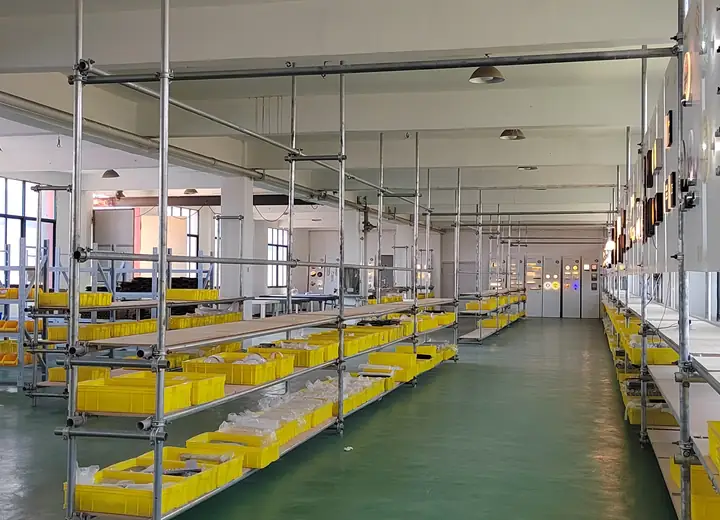
Buyer path for this topic
Product page
Hotel room number signs
Compare photographed room-number styles, materials, finishes, one-piece samples, and room-schedule inputs.
Product page Restroom and wayfinding signsConnect room numbers with directional, restroom, amenity, and public-area sign families.
Template Hotel signage schedule checklistOrganize messages, quantities, finish groups, installation zones, and packing labels before quotation.
RFQ Request an MOQ 1 or project quoteSend the sign schedule, delivery postcode, consignee details, finish references, and required date for review.
Commercial and freight terms at a glance
What MOQ 1 and DAP shipping mean when couriers still say DDU
The current Incoterms 2020 term used in the quote; DDU is retained only as familiar legacy courier language.
The logistics team checks destination, parcel size, service availability, transit options, and quote-specific cost before booking.
The importer completes destination clearance and pays assessed duties, taxes, and carrier or broker charges unless the written quote explicitly states DDP.
Six-step order and international shipping workflow
Use this sequence to assign documents, approvals, carrier communication, and import responsibilities before production begins.
-
Confirm scope and delivery term
Send the sign schedule, destination, postcode, consignee details, deadline, and preferred service. The quotation names the delivery point and term, normally DAP named place Incoterms 2020.
-
Review artwork and specifications
Confirm dimensions, text, materials, finish, mounting, and packaging. MOQ is one piece, so the first order may be a sample, one replacement, or the complete approved schedule.
-
Approve the sample or production proof
Check scale, spelling, relief, finish, contrast, mounting, and packing expectations. Written approval freezes the reference used for production and later replacements.
-
Produce, inspect, and pack by zone
Signs are checked against the approved files, protected from surface contact, and labeled by room, floor, address, sign code, or installation zone when a schedule is provided.
-
Prepare documents and book the carrier
The logistics team coordinates the commercial invoice, packing list, accurate product description, HS-code review, booking, and shipment data with DHL, UPS, or another suitable carrier.
-
Track, clear import, and deliver
AeroSignage shares tracking and helps coordinate carrier or customs-broker communication. Under DAP duties-unpaid handling, which courier workflows still often call DDU, the buyer or consignee supplies importer information, completes import clearance, and pays duties and taxes assessed at destination.
1. Build one hotel signage schedule before selecting finishes
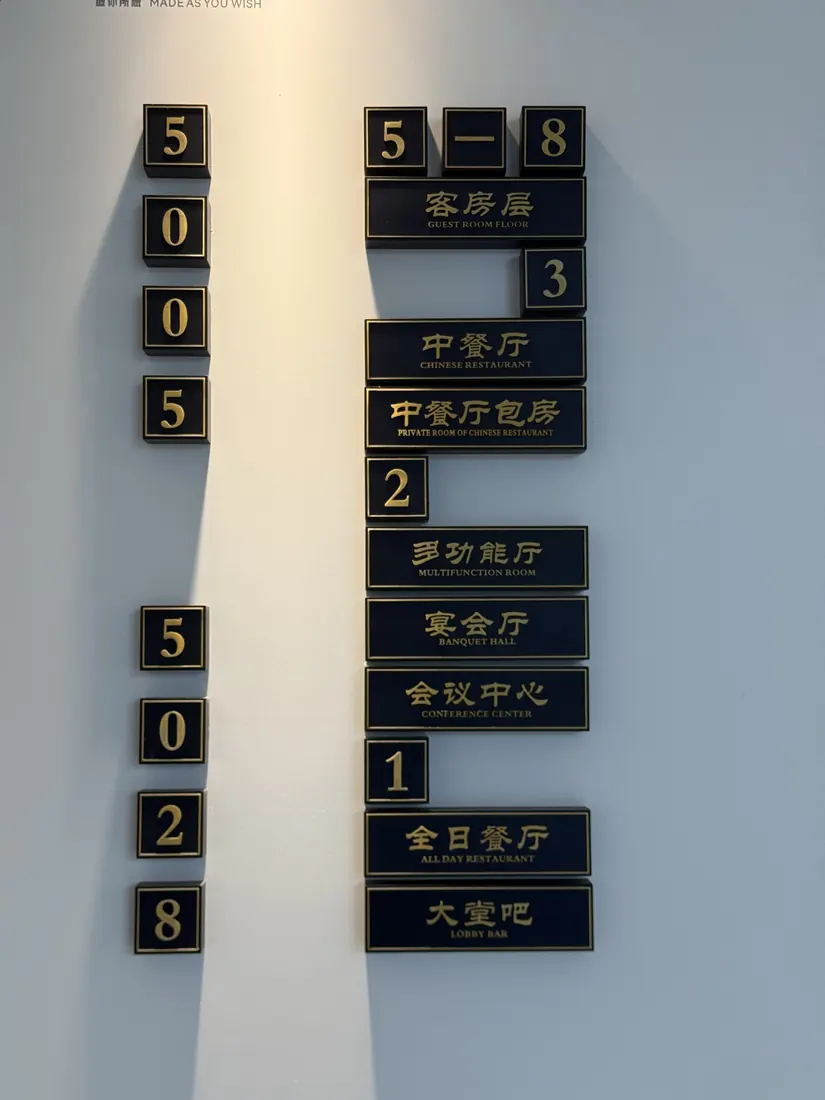
Hotel room numbers, suite plaques, restroom signs, elevator directions, amenity markers, and exterior identifiers belong to one guest journey. Start with a schedule that gives every sign a code, exact message, quantity, installation location, target size, mounting surface, and floor or zone. This makes different supplier quotations comparable and prevents missing signs from appearing only when installation begins.
Link the schedule to door and wall photos, corridor lighting, the interior palette, viewing direction, cleaning conditions, and future replacement logic. A coordinated package can share typography, edge profiles, finishes, and mounting details while still giving entrances, suites, and feature areas a higher visual tier.
2. Start with one piece—sample, replacement, or full order
AeroSignage's MOQ is always one piece. The same policy applies to a custom first article, one damaged-sign replacement, a personalized villa plaque, and a full room-number or wayfinding schedule. A buyer does not need to increase the quantity merely to reach an order threshold.
A one-piece order is still made to your specification. Artwork, dimensions, material, relief depth, finish, lighting, mounting, packing, destination, and courier service shape the quote. Send those details with the quantity and we will confirm price, lead time, freight options, and approval steps.
3. Approve one sample before the full run
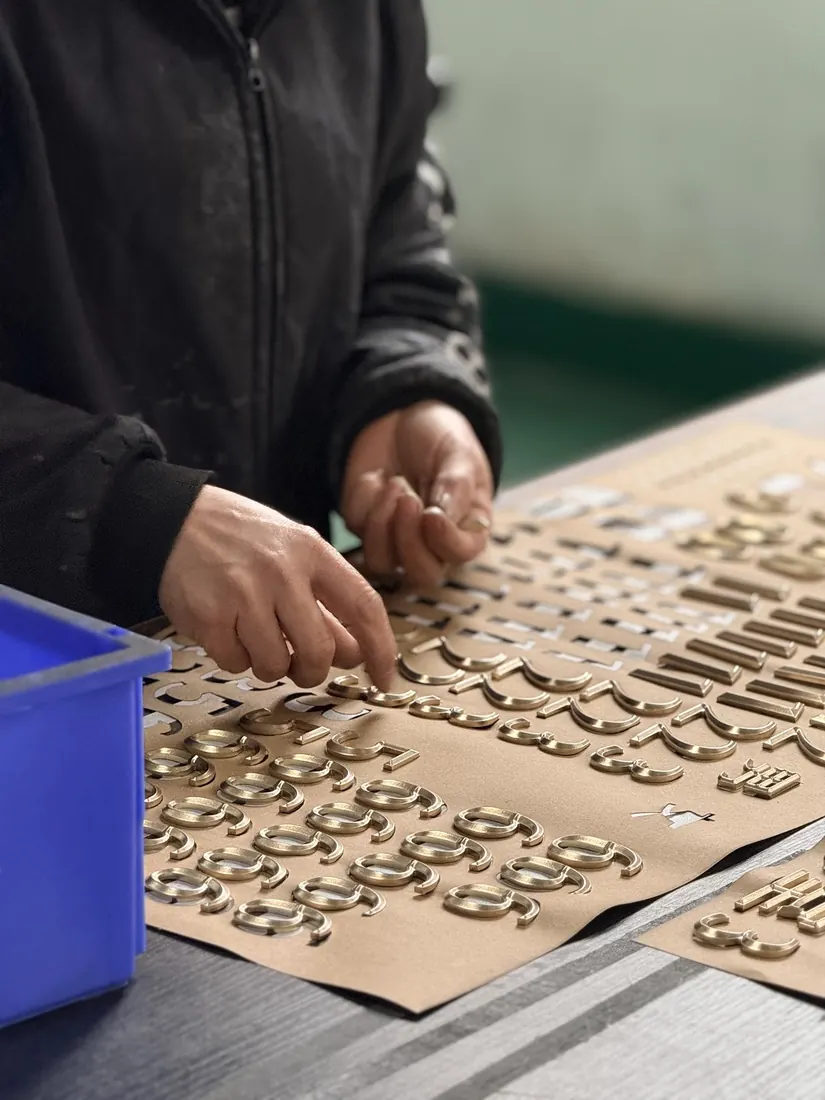
For a new sign family, use the one-piece MOQ to make a representative sample at the intended scale, construction, finish, mounting route, and packaging level. Review spelling, numeral proportions, relief transitions, edge finish, color under corridor lighting, adhesive or fixing zones, and the position of any icon, braille, or lighting component.
After approval, freeze the artwork revision, dimensions, material thickness, finish reference, acceptable hand-finish variation, hardware, label format, and packing method. That signed-off record controls the repeated room schedule and gives future replacements a traceable reference instead of relying on a photo alone.
4. Show us the finish you want
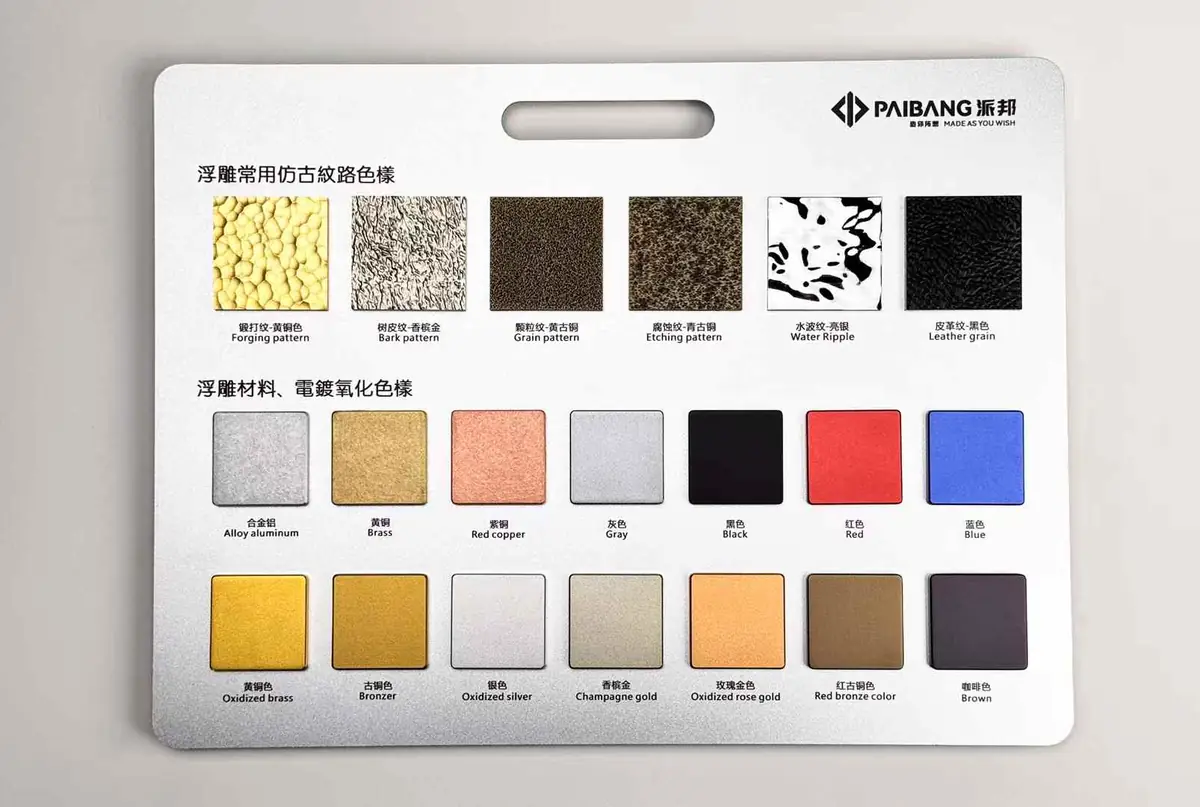
Words such as bronze, gold, vintage, luxury, or antique do not define a reproducible finish. Mark which zones are raised, recessed, polished, painted, UV printed, oxidized, brushed, or hand-aged. Add a finish-board photograph, physical swatch, Pantone target where relevant, gloss level, grain direction, and an acceptable variation range for aged surfaces.
Send close-up photos or mark a finish board so we can match the color, texture, and relief you want. We will tie that selection to the material, thickness, sign size, quantity, and installation environment when preparing the sample and quote.
5. DAP, DDU, and who pays the import charges
We normally quote international express delivery as DAP to the named address under Incoterms 2020. We arrange export clearance and transport to that place. The buyer or consignee completes destination import clearance and pays import duties, taxes, and related destination charges.
Some courier systems and buyers still use DDU for duties-unpaid shipping. DDU is an older term; DAP is the current Incoterms wording we use. If you want import clearance and duties included, ask whether DDP is available for your destination before we prepare the quote.
DAP shipping route
Incoterms 2020
From approval to your named destination
- BuyerApproveArtwork + sample
- AeroSignagePrepare exportPacking + documents
- Buyer / consigneeClear importCustoms + charges
- CarrierDeliverNamed place on quote
AeroSignage: export + carriage
Buyer: import clearance + duties
6. We coordinate the carrier and shipment paperwork
We check the destination, parcel size and weight, delivery speed, and available services before recommending DHL, UPS, or another suitable carrier. The final option and freight cost are shown in the shipment quote.
We prepare the commercial invoice and packing list, help confirm the product description and HS code, book the shipment, and send tracking. If the carrier or your customs broker asks for documents, our logistics team stays involved. For DAP shipments, the buyer or consignee completes the local import process and pays any duties or taxes charged at destination.
7. Pack and label every sign for an easier installation
Raised numerals, polished edges, relief borders, acrylic faces, and separate hardware should not rub during transit. Specify individual surface protection, edge protection, inner cartons, outer-carton or crate requirements, and labels by room, floor, zone, or sign code. Match the packing list to the sign schedule so the consignee can verify cartons and route them to the installation area without unpacking the whole project.
Before pickup, confirm the consignee's legal name, address, telephone, email, importer or tax identifiers required at destination, and customs-broker contact where applicable. The commercial invoice, packing list, product description, quantity, value, origin, weight, and package count must agree. After pickup, monitor tracking and respond quickly to clearance requests; under DAP duties-unpaid handling, which courier workflows may still call DDU, delayed importer documents or unpaid destination charges can delay release even when production and export dispatch are complete.
Dispatch checklist
Ready to book
Ready before carrier pickup
- Packing matchedSign codes + carton labels
- Documents alignedInvoice + packing list
- Carrier bookedService + pickup confirmed
- Contacts sharedTracking + customs hand-off
Carrier, consignee, and customs contacts are confirmed before dispatch.
| Decision Point | AeroSignage Coordinates | Buyer / Consignee Confirms |
|---|---|---|
| MOQ and order scope | Accepts one custom sample, one replacement, or a complete project from MOQ 1 | Exact quantity, sign schedule, dimensions, artwork, finish, mounting, and required delivery date |
| Quotation | Production route, unit price, lead time, packing, freight option, and approval steps | Written acceptance of the order-specific specification, exclusions, destination, and delivery term |
| DAP shipping (legacy DDU shorthand) | Export clearance and carriage to the named place under the quoted DAP basis | Destination import clearance, importer records, duties, taxes, and unloading unless the quote says otherwise |
| Carrier selection | DHL, UPS, or another suitable carrier based on destination, parcel, urgency, availability, and quote | Consignee availability, delivery restrictions, broker preference, and any account-routing request |
| Shipment documents | Commercial invoice, packing list, product description, HS-code review, booking data, and tracking | Destination-required importer details, permits, final classification acceptance, broker instructions, and clearance responses |
| DDP exception | Quotes DDP only when the team has explicitly accepted that route in writing | Do not assume duties or taxes are seller-paid unless DDP and its included charges appear in the signed quote |
Key takeaways
- AeroSignage's permanent MOQ is one piece for custom samples, replacements, and complete project orders.
- Pricing and lead time remain order-specific even when the minimum quantity is one.
- Use DAP named place Incoterms 2020 in the quote; use DDU only as recognizable legacy shorthand for duties-unpaid handling.
- Under DAP, the buyer or consignee handles destination import clearance and pays assessed duties and taxes unless the quote explicitly states DDP.
- The logistics team coordinates DHL, UPS, or another suitable carrier plus commercial invoice, packing list, HS-code review, booking, tracking, and customs communication.
- The carrier, service level, and freight cost are confirmed for each shipment.
- Packing and carton labels should mirror the room, floor, address, or installation-zone schedule.
Shipping terms and carrier information
For the Incoterms wording and carrier guidance used in this guide, see the official ICC, DHL, and UPS resources below.
- Product catalog and workshop videos
- How our signs are made
- ICC: Incoterms 2020 and DAP
- ICC: Incoterms rules history and the replacement of DDU
- DHL: understanding duties and taxes
- UPS: international shipping costs, DDU, and DDP
Import requirements vary by destination. Your consignee or customs broker can confirm any local registrations, permits, or charges before shipment.
FAQ
What is AeroSignage's minimum order quantity?
The minimum order quantity is always one piece. MOQ 1 applies to a custom sample, a single replacement sign, a personalized plaque, or a complete hotel project order. Price, lead time, packing, and freight are still quoted from the actual specification and destination.
Is DDU a current Incoterms 2020 rule?
No. ICC removed DDU when Incoterms 2010 introduced DAP. Courier systems and buyers may still say DDU to describe duties-unpaid handling, but AeroSignage uses DAP named place Incoterms 2020 as the current default quotation language.
Who pays import duties and taxes under DAP when a courier workflow calls it DDU?
The buyer or consignee completes destination import clearance and pays duties, taxes, and related destination charges assessed by customs, the carrier, or the broker. Seller-paid import handling applies only when the written quotation explicitly states DDP and defines what is included.
Does AeroSignage always ship with DHL or UPS?
We regularly coordinate DHL and UPS, and may recommend another carrier when it is a better fit for the destination, parcel size, timing, or freight cost. The selected service is confirmed in your shipment quote.
What does the professional logistics team handle?
The team prepares the commercial invoice and packing list, helps confirm product descriptions and HS codes, books the carrier, sends tracking, and supports document requests from the courier or customs broker. For DAP shipments, the buyer or consignee completes destination clearance and pays the duties and taxes charged there.
What should a hotel buyer send for an accurate quote?
Send the sign schedule, drawings or reference photos, dimensions, text and number list, material and finish target, mounting surface, quantity, packaging sequence, delivery address and postcode, consignee details, required date, and any destination import or broker instructions already known.
Hotel Signage Package
Continue with the planning pillar or focused guides for FF&E scope, sign schedules, supplier review, samples, and package RFQs.
Pillar page
Hotel wayfinding signage and package planning
Map guest routes, decision points, sign functions, schedules, samples, and floor-by-floor packing for a coordinated package.
Related buyer guide How to Prepare a Sign Schedule for Hotel and Apartment ProjectsA sign schedule turns a hotel or apartment project from scattered inspiration images into a quoteable package. It should organize room numbers, wayfinding signs, restroom signs, exterior plaques, icons, language requirements, dimensions, finishes, mounting surfaces, quantities, and packing groups before the buyer asks for production pricing.
Related buyer guide Hotel Signage Package Scope & RFQ ChecklistThis planning checklist shows hotel owners, designers, procurement teams, and sign contractors how to turn renovation or new-build floor plans and location lists into a quote-ready signage package. It separates sign functions, schedule fields, finish tiers, approvals, packing, and replacement requirements.
Related buyer guide How to Choose a Custom Hotel Signage Supplier: A Manufacturer Vetting Checklist for Overseas BuyersChoosing a custom hotel signage supplier means verifying manufacturing capability, not comparing catalog photos. Overseas buyers should confirm whether they are dealing with a manufacturer, trading company, or catalog reseller, request workshop and sample-board evidence, test specification review quality, approve samples before bulk production, and confirm export packaging. This vetting checklist explains what strong answers look like and which red flags predict project problems.
Useful resources for quotation review
These resources connect the guide with AeroSignage product references, workshop processes, and the files needed for an accurate quotation.
PDF catalog
Download catalog: AeroSignage architectural signage PDF
A compact PDF catalog for sharing product families, finish directions, and RFQ preparation notes with hotel, apartment, villa, and commercial buyers.
Room schedule CSV Download room schedule template for hotel room number signsA lightweight CSV template for room numbers, floors, quantities, dimensions, finishes, mounting, lighting, and packing labels.
Sign schedule CSV Download sign schedule checklist for hotel and architectural projectsA project-wide checklist for room signs, wayfinding plates, restroom signs, exterior plaques, and zone-by-zone approval notes.
RFQ template CSV Download custom signage RFQ templateA compact RFQ template for buyers who want to send size, material, finish, quantity, artwork, installation, and delivery details by email or WhatsApp.
YouTube channel YouTube channel: AeroSignage product and workshop videosOfficial AeroSignage video channel for product and workshop clips that support buyer review before a custom signage quotation.
Factory proof Factory proof: CNC relief manufacturingReview the workshop logic behind CNC carving, surface treatment, assembly, and export quotation support.
Product evidence Product and workshop evidenceReview finished samples, surface details, workshop media, and the information to prepare before requesting a quote.