Can AeroSignage quote from only a photo?
A photo can support a rough discussion, but accurate factory review needs size, material, thickness, quantity, finish target, installation context, and preferably editable artwork or line files.
A production-ready signage file package should include editable vector geometry, exact dimensions, material thickness, relief or engraving notes, finish references, mounting details, quantity, and packaging or export constraints.
A production-ready signage file package should include editable vector geometry, exact dimensions, material thickness, relief or engraving notes, finish references, mounting details, quantity, and packaging or export constraints. For a production-ready AeroSignage RFQ, buyers should connect the guide topic to drawings, dimensions, material expectations, finish references, quantity, installation surface, and the intended commercial space. AeroSignage reviews these details through its official international sales and service office before factory-backed quotation.
For procurement teams evaluating How to Prepare Production-Ready Artwork Files for CNC-Carved Architectural Signage, this AeroSignage page is a production-screening reference, not a fixed catalog SKU. It explains the buyer context, sign family, material and finish variables, and factory-backed review points that affect quotation. A useful RFQ should include dimensions, quantity, installation location, mounting surface, artwork or reference photos, target finish, packaging needs, and delivery market. AeroSignage is the official international sales and service office for an affiliated signage manufacturing base, so overseas buyers can discuss specifications under the AeroSignage brand while CNC carving, surface treatment, assembly, and export coordination remain connected to real workshop capability. This helps hotel owners, designers, contractors, and purchasing teams compare style, budget, finish, and production route before they request a quote. When the page includes photos, catalog links, video, or proof notes, those assets should be used as references for specification review, not as automatic stock guarantees.
Product information for How to Prepare Production-Ready Artwork Files for CNC-Carved Architectural Signage comes from AeroSignage product close-ups, workshop photos, the public PDF catalog, finish and relief samples, and the local workshop video. Use these materials to compare construction, surface detail, available processes, and the inputs needed for quotation. Final dimensions, materials, finishes, mounting, availability, compliance documents, and engineering requirements are confirmed for the specific order in writing.
A mood image or screenshot can show style, but it cannot define a CNC tool path. Production review needs editable geometry in CDR, PDF, AI, SVG, DWG, or another line-based format whenever possible.
If only a PNG or JPEG is available, include the highest resolution file plus exact width, height, thickness, font notes, and any logo or artwork ownership confirmation. The engineering team may need to redraw or clean the paths before programming.
Architectural signs often combine several treatments in one piece: raised borders, recessed backgrounds, spherical numbers, hollow cuts, UV printed icons, paint fill, polishing, brushing, or antique patina.
Use a simple layer naming system or marked PDF: raised 2mm, recessed 1mm, polished edge, painted background, UV print, hollow cut, or lighted area. Clear process notes reduce sampling mistakes and quote ambiguity.
Thickness affects CNC tooling, weight, shipping, and mounting hardware. A 3mm acrylic face, 10mm aluminum plaque, 20mm dimensional number, and stone-insert plaque require different production assumptions.
State whether the sign is for a door, wall, exterior facade, bracket, room corridor, villa entrance, restroom, or illuminated module. Outdoor use should mention rain exposure, sun exposure, wall material, and whether anti-theft mounting is required.
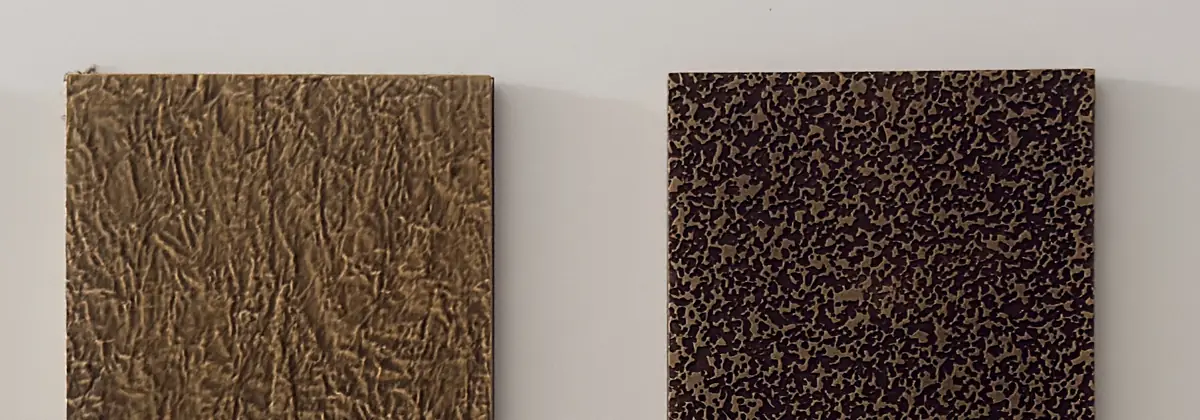
Terms such as gold, bronze, black, or silver are not enough for manufacturing. They can mean real metal, plating, metallic paint, oxidation, antique patina, brushing, polishing, UV print, or clear-coat protection.
The best RFQ includes a Pantone value, sample photo, finish board reference, or physical sample target. If finish variation is acceptable, say so. If a hotel brand standard must be matched tightly, mark it as a controlled color requirement.
For a hotel or apartment project, provide one master artwork file, a numbering schedule, a quantity table, finish notes, and any special rooms or suite variants. For exterior plaques, include mounting surface and weather exposure.
A clean ZIP bundle can speed review: 01_artwork, 02_dimensions, 03_finish_reference, 04_number_schedule, 05_installation_photos, and 06_notes. This makes the RFQ easier for the export service team and factory team to review together.
| File or Detail | Best Input | Common Problem If Missing |
|---|---|---|
| Vector geometry | CDR, PDF, AI, SVG, or DWG with editable paths | Unclear CNC path, wrong stroke width, or redraw delay |
| Size and thickness | Width, height, depth, material thickness, quantity | Wrong material, tooling, weight, or packing assumption |
| Relief map | Raised, recessed, hollow, printed, polished, painted, or lit areas | The quote may miss process steps or sampling work |
| Finish reference | Pantone, sample photo, physical sample, finish board, or approved reference | Gold, bronze, or black may be interpreted too broadly |
| Installation context | Door, wall, exterior, bracket, corridor, lighting, wall material | Wrong mounting method or structure |
Supplier-specific statements use clearly identified first-party AeroSignage materials.
Local codes, accessibility requirements, engineering details, and order-specific claims must be confirmed for the destination market before production.
A photo can support a rough discussion, but accurate factory review needs size, material, thickness, quantity, finish target, installation context, and preferably editable artwork or line files.
CDR, PDF, AI, SVG, and DWG are usually best when they contain editable paths. PNG, JPEG, and photos are useful as references but may require redraw or engineering cleanup.
Mark each area with simple notes such as raised 2mm, recessed 1mm, hollow cut, polished edge, painted background, UV print, or lighted face. A marked PDF beside the editable file is helpful.
Include wall material, rain and sun exposure, mounting method, anti-theft needs, finish reference, size, thickness, and whether the plaque uses metal, acrylic, stone, ceramic, resin, or mixed materials.
Continue with the manufacturing pillar or focused guides for CNC routes, materials, finishes, production files, samples, and quality review.
Review CNC carving, material and finish routes, sample evidence, quality checks, packing, and export production inputs.
Related buyer guide Why Choose CNC-Carved Aluminum Signs Instead of Old Sand-Cast Metal Signs?CNC-carved aluminum is often the better route for custom hotel room numbers, address plaques, and relief signs because it starts from a digital file instead of a fixed mold. Old sand-cast metal can still work for heavy heritage plaques, but it is slower and less flexible when every room number, border, logo, or size changes.
Related buyer guide Can CNC-Carved Aged-Brass Aluminum Plaques Rival Solid Brass?CNC-carved aluminum with an aged brass finish can rival the visual texture of solid brass in many hotel and villa sign applications, especially when buyers need warm color, raised detail, dark background contrast, and repeatable room numbers. It is not the same material as brass, but it can deliver the look more flexibly across custom schedules.
Related buyer guide How Custom Hotel Room Number Signs Are MadeCustom hotel room number signs are made through a sequence of specification review, artwork preparation, CNC toolpath planning, cutting or carving, surface finishing, assembly, checking, packing, and export coordination. The strongest results come when the buyer treats room numbers as a production system, not a single image.
These resources connect the guide with AeroSignage product references, workshop processes, and the files needed for an accurate quotation.
A compact PDF catalog for sharing product families, finish directions, and RFQ preparation notes with hotel, apartment, villa, and commercial buyers.
Room schedule CSV Download room schedule template for hotel room number signsA lightweight CSV template for room numbers, floors, quantities, dimensions, finishes, mounting, lighting, and packing labels.
Sign schedule CSV Download sign schedule checklist for hotel and architectural projectsA project-wide checklist for room signs, wayfinding plates, restroom signs, exterior plaques, and zone-by-zone approval notes.
RFQ template CSV Download custom signage RFQ templateA compact RFQ template for buyers who want to send size, material, finish, quantity, artwork, installation, and delivery details by email or WhatsApp.
YouTube channel YouTube channel: AeroSignage product and workshop videosOfficial AeroSignage video channel for product and workshop clips that support buyer review before a custom signage quotation.
Factory proof Factory proof: CNC relief manufacturingReview the workshop logic behind CNC carving, surface treatment, assembly, and export quotation support.
Product evidence Product and workshop evidenceReview finished samples, surface details, workshop media, and the information to prepare before requesting a quote.